When it comes to organizing spaces, choosing the right shelving systems is crucial. From homes to offices, effective shelving can enhance both aesthetics and functionality. The market is flooded with options, making the selection process overwhelming. Understanding your specific needs is essential.
Shelving systems vary widely in design, material, and purpose. Some are stylish, while others prioritize strength. These differences can impact your decision. Consider factors like the weight of the items you plan to store and the available space. A system that works in one setting may not suit another.
Many people overlook the importance of proper shelving. Poor choices can lead to clutter and inefficiency. Reflecting on past experiences with shelving can guide your current decisions. It’s not just about aesthetics; it’s about creating an organized, usable space. Choose wisely to meet your storage needs effectively.
Understanding Different Types of Shelving Systems Available in 2026
In 2026, the variety of shelving systems available can seem overwhelming. Each type serves different needs, so understanding these will help you make an informed choice. For instance, industrial shelving often consists of heavy-duty materials, perfect for workshops and garages. Such systems can hold heavy loads but may lack visual appeal for home use.
On the other hand, modular shelving offers flexibility and aesthetic appeal. These systems allow customization and can fit into various spaces. However, they may not provide the same durability as industrial options. Using lightweight materials, they can quickly become unsteady when overloaded.
Consider your specific requirements, such as weight capacity, dimensions, and design aesthetic. Budget constraints also play a vital role. Evaluate your space to determine if you need something compact or more expansive. Remember that the best shelving systems align with your needs while enhancing practicality and style.
Assessing Your Space Requirements for Optimal Shelving Solutions
When assessing your space for shelving systems, it's crucial to measure your available area accurately. Consider the height, width, and depth of the space you intend to fill. Visualize how much room you need for walking and accessing items. It's easy to overlook the importance of walkway space. Many people create cluttered environments by packing shelves too tightly.
Think about the items you'll store. Are they large or small? Heavy or light? This impacts shelf strength and spacing. You might discover that specific objects require unique storage solutions. For instance, shallow shelves work well for books, but deeper ones suit larger bins. Assessing your needs is a fundamental step that can save time and effort later.
Even the most organized plans can run into issues. You may find that shelves are too high or too low. Items can become hard to reach, leading to frustration. It’s essential to reflect on what works best for your routine. Regularly evaluate your shelving setup as your needs may change over time. Adjusting to new items or usage can make a significant difference in efficiency.
Evaluating Material Options for Durability and Design Appeal
When selecting the best shelving systems, evaluating material options is crucial for achieving both durability and design appeal. According to a recent industry report, shelves made from high-quality materials can last up to 30% longer than their cheaper counterparts. Common materials include wood, metal, and plastic. Each material has strengths and weaknesses that influence the choice based on the intended use.
Wood offers an aesthetic charm but can be susceptible to moisture, leading to warping. Metal is robust and can handle heavier loads, making it ideal for industrial settings. However, it can be prone to rust if not treated properly. Plastic is lightweight and resistant to moisture but may lack the structural integrity required for heavier items. Understanding these aspects is essential for choosing the right shelving.
For effective decision-making, consider the environment where the shelving will be placed. Is it a damp basement or a dry office? This can make a big difference. In addition, assess how you plan to use the shelves. Multi-functional systems may require a blend of materials for maximum utility. Balancing appearance with practicality often requires thoughtful consideration and sometimes compromises.
2026 How to Choose the Best Shelving Systems for Your Needs?
| Material |
Durability Rating |
Design Appeal |
Typical Applications |
| Wood |
High |
Classic & Warm |
Living Rooms, Offices |
| Metal |
Very High |
Modern & Sleek |
Warehouses, Garages |
| Plastic |
Medium |
Colorful & Versatile |
Kitchens, Kids’ Rooms |
| Glass |
Medium |
Elegant & Contemporary |
Display, Modern Interiors |
| Particle Board |
Low to Medium |
Standard & Economical |
Budget Furniture, Storage |
Determining Weight Capacity and Load-Bearing Needs
When selecting shelving systems, understanding weight capacity and load-bearing needs is crucial. Different materials and designs can influence how much weight a shelf can hold. According to a study by the National Institute of Standards and Technology, the average load-bearing capacity of commercial shelving ranges from 200 to 600 pounds per shelf. Using this data helps ensure you choose a system appropriate for your expected use.
It's vital to consider not just the materials but also how the shelving is built. Metal shelves may offer higher weight capacities, while wood may suit lighter loads. Overloading shelves is a common mistake many make. Regularly check that the weight distribution is even. Imbalance can lead to sagging or, worse, structural failure.
For optimal safety, always verify the specifications provided by manufacturers. Recommendations from industry reports stress the importance of allowing for a 10-20% buffer in weight capacity. Keep your shelving system organized to avoid unnecessary strain. Avoid stacking items too heavily on one side. Such oversights can compromise stability and longevity. Regular assessment of your shelving system can help identify potential problems sooner.
Considering Aesthetic Styles and Functionality in Your Selection
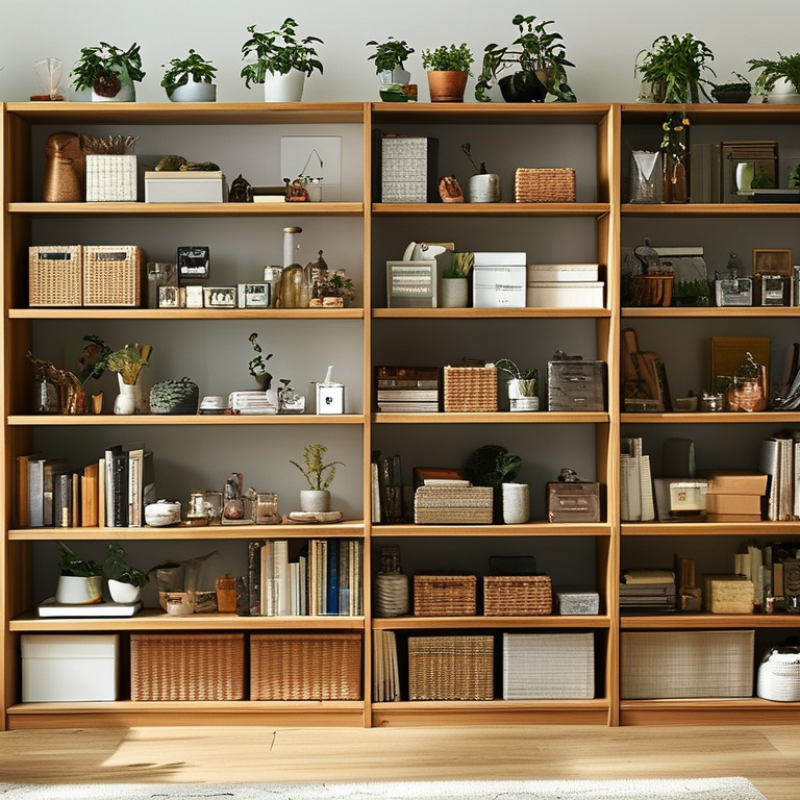
When selecting shelving systems, it's crucial to balance aesthetics and functionality. A study by the National Association of Home Builders reveals that 73% of homeowners prioritize how storage solutions complement their interior design. This means opting for shelving that enhances the overall look of a space while serving its primary purpose of storage. Choose materials and finishes that align with your decor. For example, minimalist metal or rustic wood can dramatically influence a room's ambiance.
Functionality also plays a pivotal role. According to a report from the American Shelving Association, efficient shelving should maximize space while being easily accessible. Consider modular designs that can be adjusted as needs change. Systems that allow for vertical storage can aid in reducing clutter. Additionally, assess load capacity to ensure shelves can support the weight of your items without compromising safety.
There's an art to combining looks with utility. Custom solutions can cater to unique needs, but they can also be expensive. It's essential to evaluate your budget while seeking out options that resonate with your vision. Pricey designs might gleam visually but could lack the sturdiness or practicality necessary over time. Reflect on your choices carefully. Sometimes, practical shelving can transform a space just as effectively as high-end, aesthetic options.
Conclusion
Choosing the right shelving systems in 2026 involves understanding the various types available to best meet your requirements. It’s essential to assess your space and how shelving can optimize it. Consider the dimensions of your area and the layout that would work best to ensure effective use of space.
Additionally, evaluating materials is crucial for achieving both durability and design appeal. Think about the weight capacity needed for your specific items and ensure the shelving systems can support those loads adequately. Lastly, aesthetic styles and functionality should be harmoniously integrated into your selection, allowing you to create a space that is not only practical but visually appealing. By carefully considering these factors, you can select shelving systems that cater to your specific needs effectively.

 AomeRack